
26 May 2026
The Future of Luxury Hospitality Design in India: Where Culture Meets Contemporary Living
India’s hospitality landscape is undergoing a remarkable transformation. Today’s luxury traveller seeks more than opulence — they seek experiences, stories, and spaces that emotionally connect with them. As architecture and interior design evolve, hospitality spaces are becoming immersive destinations that celebrate local identity while embracing global sophistication.
At Bobby Mukherrji Architects, this philosophy lies at the heart of every project. With a portfolio spanning luxury hotels, resorts, residences, aviation spaces, and urban developments across the globe, the firm has consistently redefined how modern luxury is experienced. (Bobby Mukherji Architects)
Designing Experiences, Not Just Spaces
Luxury hospitality today is no longer about excessive ornamentation or grandeur alone. The modern guest values thoughtful spatial planning, emotional storytelling, sustainability, and cultural authenticity.
Whether it is a luxury resort nestled within a heritage-rich destination or a contemporary business hotel in an urban cityscape, architecture now plays a pivotal role in shaping memorable guest experiences.
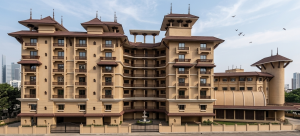
Projects like Aurika – Luxury by Lemon Tree Hotels reflect this evolving approach by blending Rajputana-inspired aesthetics with contemporary luxury sensibilities. Similarly, international projects such as the FBO Terminal for KayanJet showcase how bespoke luxury can be tailored for global audiences while maintaining a strong narrative identity. (Bobby Mukherji Architects)
The Rise of Contextual Luxury
One of the defining trends shaping hospitality architecture is “contextual luxury” — a design language deeply rooted in local culture, climate, materials, and traditions.
Guests increasingly gravitate towards environments that feel authentic rather than generic. This shift has encouraged architects and designers to reinterpret regional influences through a contemporary lens.
From handcrafted detailing and locally sourced materials to biophilic design principles and curated lighting experiences, modern hospitality spaces are becoming more sensory and immersive than ever before.
Sustainability as a Design Imperative
Sustainability is no longer optional in hospitality architecture. It has become central to responsible luxury design.
Hotels and resorts are now integrating:
- Passive cooling strategies
- Energy-efficient systems
- Sustainable materials
- Water-conscious landscaping
- Smart building technologies
The challenge lies in seamlessly integrating sustainability without compromising luxury — a balance that demands both technical expertise and design sensitivity.
The Global Influence on Indian Design
Indian architecture today confidently stands on the global stage. Firms like Bobby Mukherrji Architects have expanded internationally, bringing Indian creativity into conversations around global luxury design. The firm’s presence across regions including Europe, the Middle East, the Caribbean, and Southeast Asia reflects the growing international recognition of Indian architectural talent. (Bobby Mukherji Architects)
This global exposure has also influenced Indian hospitality spaces, where international standards now coexist with deeply rooted cultural storytelling.
Looking Ahead
The future of hospitality design in India will be defined by meaningful luxury — spaces that are experiential, sustainable, emotionally engaging, and culturally relevant.
As travellers continue to seek authenticity and memorable experiences, architecture will remain one of the most powerful tools in shaping how destinations are perceived and remembered.
At its best, design does not merely create buildings. It creates emotion, identity, and lasting experiences.