29 June 2026
A Regal Legacy: The Responsibility of Restoring Living History
Restoring a royal estate is an act of guardianship. For the Taj…

08 June 2026
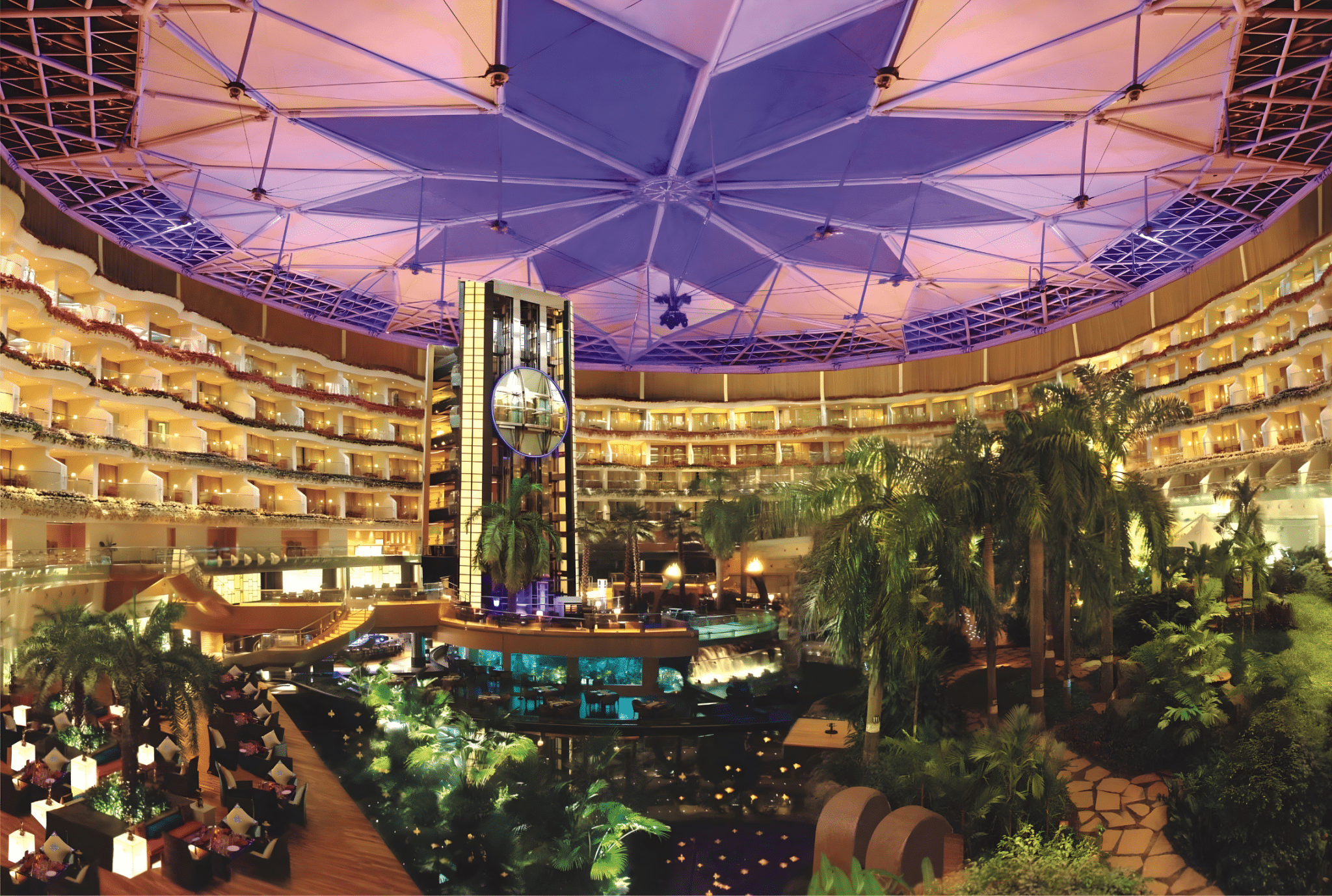
Breathing new life into a discarded commercial structure requires a radical departure from conventional layout planning. Sahara Star inherited the rigid, skeletal composite framework of the former Centaur Hotel; a cold, geometric shell that offered immense scale but lacked a defining hospitality soul. The core objective was to break away from standard block layouts and convert this massive footprint into a fluid, futuristic destination. Bobby Mukherrji Architects approached this transformation with a bold spatial vision, demonstrating that adaptive reuse can turn structural constraints into spectacular, high-value landmarks through smart hospitality design.
The defining masterstroke of the intervention was the creation of a sweeping, glazed circular form that encircles a monumental 800,000-square-foot central atrium. Rather than wrestling with the inherited concrete columns, the layout embraces a soaring dome configuration. This interior architecture lets the structure act as a protective sky-shield, enclosing a completely self-contained indoor world. By reconfiguring the interior lines to open inward toward this magnificent central volume, the studio transformed an aging airport property into a world-class hospitality statement, a feat expected from the best interior design firm in India.
At the base of the massive dome, the floor plates were sculpted to host a lush, multi-level indoor tropical oasis. The plan meticulously balances hard engineering lines with living elements, layering water-facing decks, suspended pathways, viewing bridges, and a cascading waterfall around carefully preserved historic Royal Palms. This indoor ecosystem serves as the emotional and physical anchor for the entire property, giving the surrounding 300 rooms and suites a peaceful, natural viewpoint. This immersive layout successfully captures a sense of understated elegance that feels entirely organic yet technically brilliant.
Beyond the central landscape, the interior architecture delivers high-concept environments across the hotel’s public venues. This depth is evident in the iconic Marine Aquarium, which forms the vivid backdrop for the Mediterranean restaurant, Mabruk, and culminates in the private ocean dining spaces where glass walls interface directly with aquatic life. To preserve the calm atmosphere, bulky filtration units, oxygenation lines, and heavy structural reinforcements are completely integrated within the design panels. This flawless concealment of complex systems highlights the precise technical skill required of an expert hotel interior designer.
The complete spatial overhaul of the property proves that interior design remnants can be successfully repurposed without sacrificing commercial ambition or a premium aesthetic. By combining structural transparency, heavy engineering, and natural landscaping under one cohesive roof, the studio delivered a landmark destination that continues to influence the hospitality landscape. The project stands as a definitive benchmark for a top design studio in Mumbai, offering an unforgettable guest journey through an award winning design that honors structural evolution while setting a global standard for premium luxury interior design.
 Adaptive Reuse & Heritage Restorations
29 June 2026
Restoring a royal estate is an act of guardianship. For the Taj…
 Adaptive Reuse & Heritage Restorations
15 June 2026
When updating a legendary private member enclave inside an iconic urban property,…
 Adaptive Reuse & Heritage Restorations
13 June 2026
Restoration is often viewed through the lens of masonry and marble, but…
 Adaptive Reuse & Heritage Restorations
11 June 2026
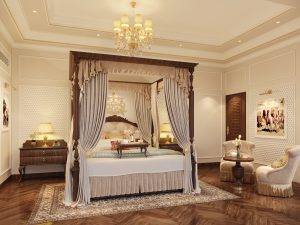
The suite restoration at Taj Usha Kiran Palace brings together history, craftsmanship…
 Adaptive Reuse & Heritage Restorations
09 June 2026
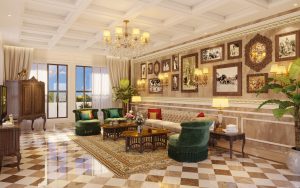
The restoration of the Taj Usha Kiran Palace is a study in…