30 June 2026
The Disciplined Palette: How Soft Craft Traditions Anchor Luxury Dining Environments
Honoring historic dynasties within modern commercial layouts requires moving away from heavy,…

18 June 2026
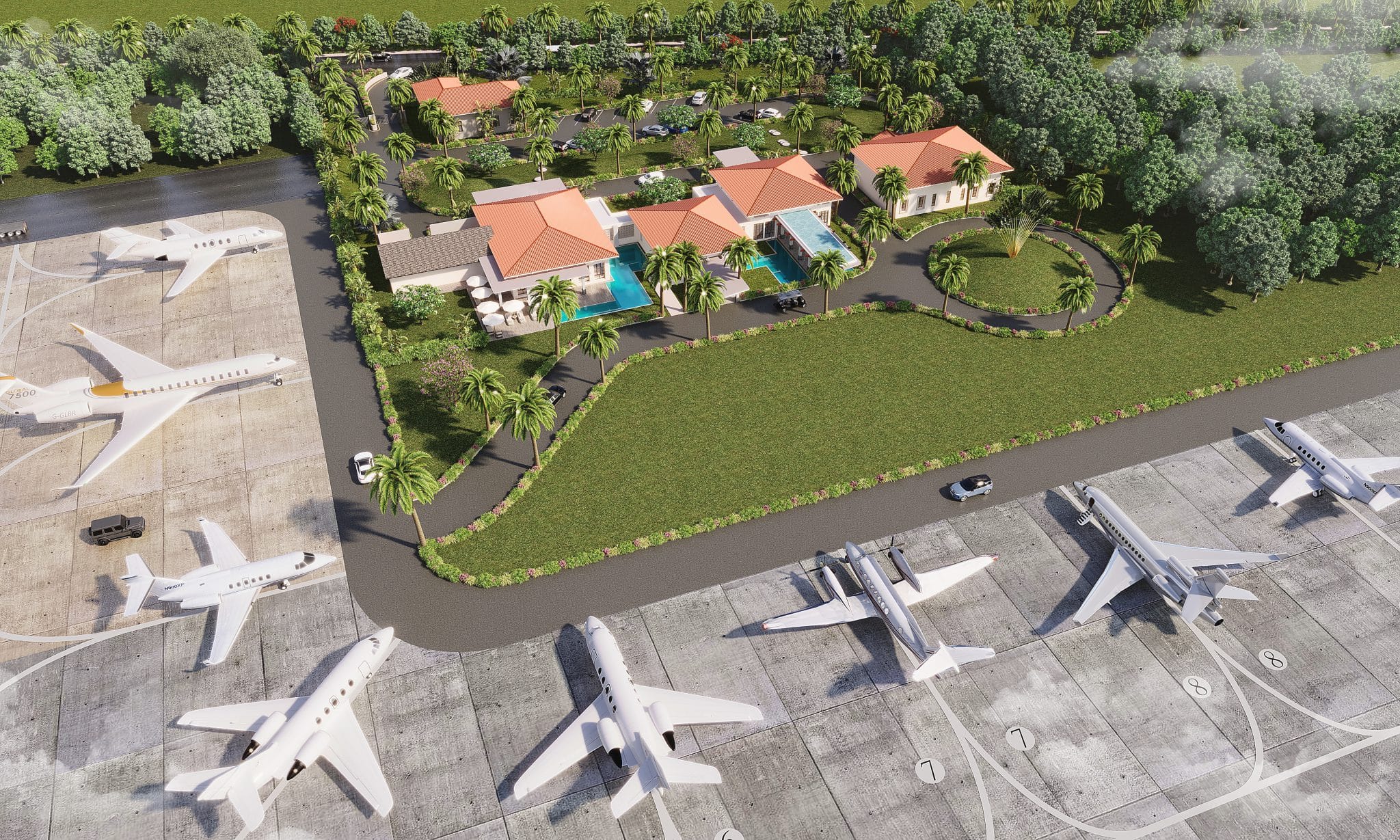
Most airport terminals are designed vertically, utilizing multiple levels of escalators, stairs, and industrial corridors. At this signature project, Bobby Mukherrji Architects threw that blueprint away. Spreading across four acres of prime Caribbean land, the terminal follows a horizontal, “resort masterplan” logic. This single-level layout, designed by one of the top architecture studio India turns to for global luxury, softens the transition from air to land, making it feel less like a transit hub and more like an exclusive arrival at a private estate.
The success of this approach hasn’t gone unnoticed. The terminal has been honored with multiple international awards and was notably recognized by the Robb Report as one of the top private jet terminals in the world. This placement alongside the world’s most elite aviation facilities confirms that a “resort-first” philosophy is exactly what global travelers are looking for. It is a true signature statement in high end architecture that caters to an elite global social ecosystem.
The sprawl of the terminal isn’t just for show; it’s a strategic move to ensure privacy. By spreading the 45,000-square-foot program across a larger footprint, the plan successfully tucks meeting rooms, dining areas, and lounges into quiet, secluded pockets. Guests move through a series of internal courtyards rather than crowded hallways, a layout that reflects the expertise of a leading Mumbai design studio. This horizontal flow provides a level of quiet and discretion that is essential for ultra-high-net-worth travelers, reinforcing the reputation of the firm as a premier luxury architecture studio.
The layout deliberately breaks away from traditional airport boundaries through the creation of expansive, open-air deck areas. The design features landscaped decks that overlook the runway, allowing guests to soak in the last moments of island sunlight before boarding. Such seamless integration of indoor and outdoor zones is a hallmark of premium hospitality interiors. Low-water landscaping was chosen to thrive in the harsh marine climate, surrounding the building with greenery that feels wild and natural. This “light-touch” masterplan ensures that the terminal feels like a part of the St. Kitts landscape, a hallmark of modern architecture that respects its vernacular roots while maintaining a luxury interior design standard.
 Materiality & Artisanal Craft
30 June 2026
Honoring historic dynasties within modern commercial layouts requires moving away from heavy,…
 Materiality & Artisanal Craft
28 June 2026
Stepping away from the hyper-polished, synthetic surfaces that dominate modern urban high-rises…
 Materiality & Artisanal Craft
27 June 2026
The lasting impact of a landmark cultural development relies entirely on the…
 Materiality & Artisanal Craft
26 June 2026
The primary challenge when designing a contemporary destination near a monumental global…
 Materiality & Artisanal Craft
25 June 2026
The true test of a high-end interior layout sits in its ability…
 Design Narrative & Aesthetics
23 June 2026
At 25 South, every design decision was strategically influenced by a forward-looking…