30 June 2026
The Disciplined Palette: How Soft Craft Traditions Anchor Luxury Dining Environments
Honoring historic dynasties within modern commercial layouts requires moving away from heavy,…

17 June 2026
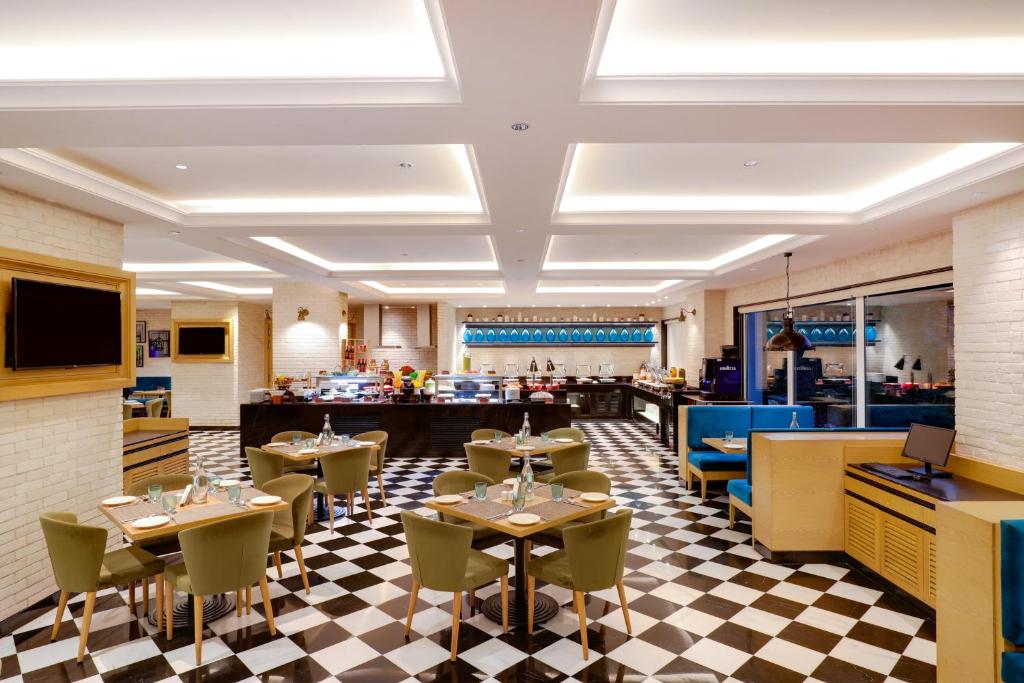
High-standard hospitality design requires a deep understanding of human fatigue, demanding an internal environment that actively counteracts the stress of constant travel. Within busy transport corridors, the private guest zones must function as an absolute physical barrier against noise, friction, and movement. For Lemon Tree Premier Mumbai, Bobby Mukherrji Architects achieved this sense of isolation by anchoring the private suites and wellness areas in a language of absolute structural composure. The resulting layout serves as a definitive model for how an international luxury design studio can craft personal retreats within high-volume commercial footprints. By focusing on acoustic privacy and physical comfort, the interior architecture provides a profound sense of ease the moment a guest closes the door.
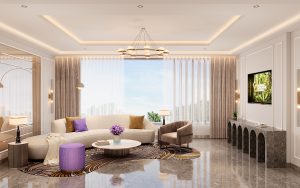
The private suites are engineered through a strict lens of spatial proportion, providing immediate mental clarity through generous layout zoning. Each room is meticulously split into dedicated sectors for work, relaxation, and rest, allowing business travelers to move through their daily routines without feeling constrained by a typical hotel envelope. Expansive windows flood the deep interiors with soft daylight, while heavy structural glazing isolates the living quarters from the roar of nearby runway traffic. This precise orchestration of internal volumes reflects the capability of a top design firm in India to convert restrictive footprints into expansive, breathable environments.
The tactile palette within the suites avoids flashy, synthetic finishes in favor of honest, natural materials that possess an inherent sensory richness. Deep-grained timber panels, plush carpets, and soft fabric headboards work in harmony to absorb ambient echo and lower the acoustic volume of the room. A disciplined color scheme of muted grays, soft creams, and earthy tones catches the diffuse lighting, eliminating harsh shadows that cause visual fatigue. This thorough dedication to material authenticity highlights the standards expected from a global practice specializing in luxury interior designing.
The transition into the fitness and wellness zones brings a deliberate focus on mental decompression through highly simplified interior lines. The floor plans maximize open space and generous equipment placement, ensuring guests can exercise or rest without experiencing physical crowding. Soft, recessed illumination channels run along clean white ceilings, casting a steady, glare-free glow over the entire space. This clean design language brings a necessary sense of order to the hotel’s amenity level, showcasing the sharp aesthetic focus of a leading Mumbai-based interior design studio.
The success of these private zones lies in their ability to maintain a pristine, premium appearance under conditions of continuous guest turnover. By choosing high-performance stones, durable fabrics, and scratch-resistant woods that look better as they age, the property ensures its long-term aesthetic value is fully protected. This balance of intense durability and elite comfort represents the ultimate goal of premium hospitality interiors. By successfully marrying structural strength with a calm, inviting soul, the firm reinforces its status as a leading luxury interior design practice capable of delivering timeless commercial landmarks.
 Materiality & Artisanal Craft
30 June 2026
Honoring historic dynasties within modern commercial layouts requires moving away from heavy,…
 Materiality & Artisanal Craft
28 June 2026
Stepping away from the hyper-polished, synthetic surfaces that dominate modern urban high-rises…
 Materiality & Artisanal Craft
27 June 2026
The lasting impact of a landmark cultural development relies entirely on the…
 Materiality & Artisanal Craft
26 June 2026
The primary challenge when designing a contemporary destination near a monumental global…
 Materiality & Artisanal Craft
25 June 2026
The true test of a high-end interior layout sits in its ability…
 Design Narrative & Aesthetics
23 June 2026
At 25 South, every design decision was strategically influenced by a forward-looking…