30 June 2026
The Disciplined Palette: How Soft Craft Traditions Anchor Luxury Dining Environments
Honoring historic dynasties within modern commercial layouts requires moving away from heavy,…

28 June 2026
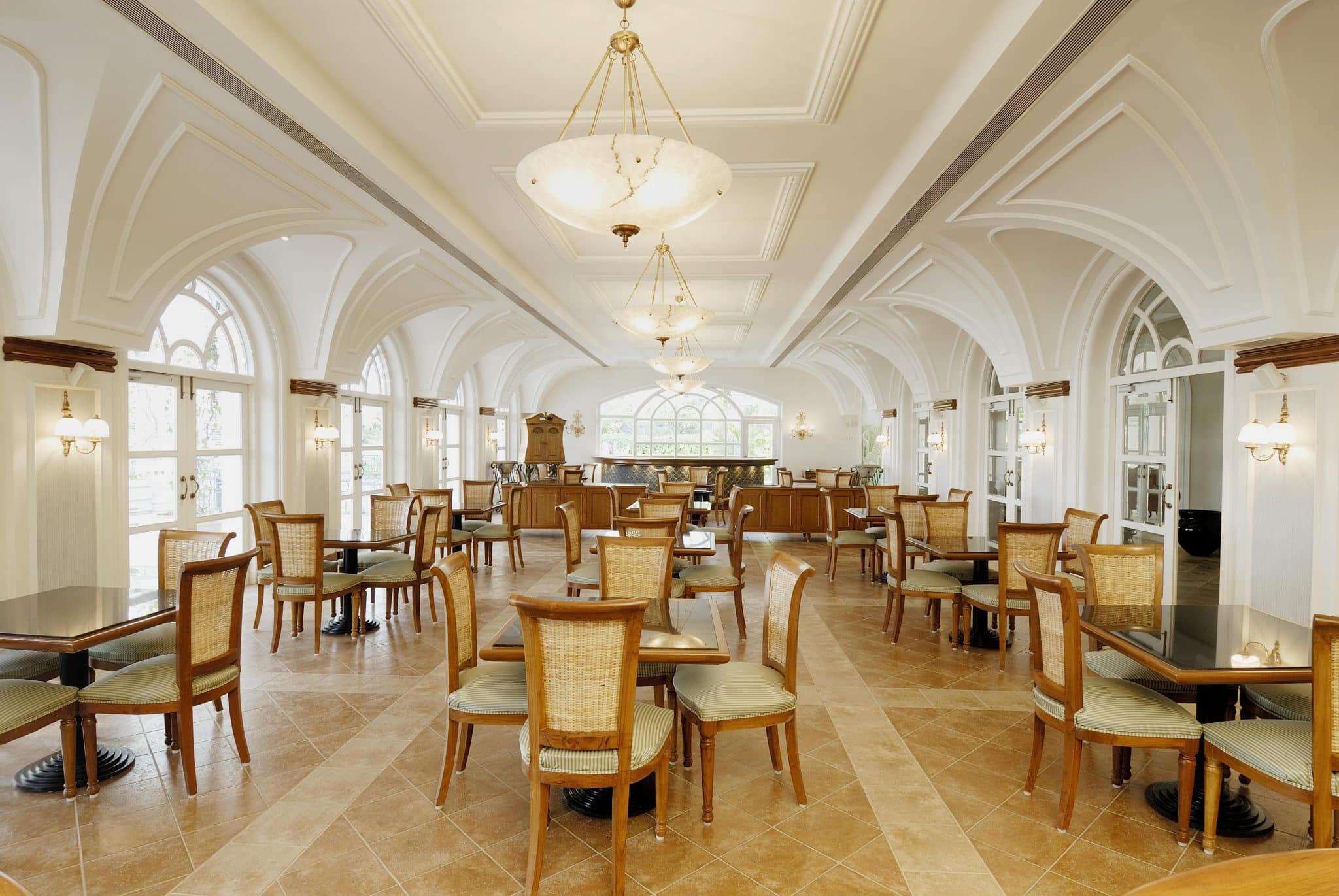
Stepping away from the hyper-polished, synthetic surfaces that dominate modern urban high-rises isn’t just an aesthetic choice, it is a physiological necessity for true relaxation. In high-density coastal environments, interior design must do more than look elegant; it has to physically alter how a space breathes, handles humidity, and diffuses light. When mapping out the interior landscape for Club Exotica on Madh Island, Bobby Mukherrji Architects intentionally leaned away from sharp, sterile minimalism. Instead, the firm embraced a deeply textured, organic Spanish hacienda vocabulary that grounds the senses, creating a premium residential amenity that feels significantly slower, warmer, and more restorative than a standard communal space.
The foundational atmosphere of the clubhouse is established by its extensive use of traditional, lime-based plaster across the interior walls and flowing archways. Unlike flat commercial paint, which reflects light in a harsh, uniform glare, the layered texture of lime plaster catches natural sunlight and diffuses it into a soft, ambient glow. This material choice requires the precise eye of a premier interior design studio that understands the psychological impact of environmental surfaces. The plaster acts as an active canvas that shifts in tone throughout the day, providing a continuous sense of visual warmth that immediately relaxes the eyes and lowers ambient stress the moment residents step inside from the bright coastal sun.
The movement through the public corridors and transition zones relies on a heavy, tactile flooring strategy that celebrates natural imperfections. Every primary walkway is paved with thick, tumbled stone that introduces an earthy, rugged texture underfoot. This thorough dedication to material honesty represents the level of high end interior detailing needed to make a large communal space feel deeply permanent and lived-in. The rough, low-gloss stone surfaces naturally slow down a person’s physical pace, offering a reassuring, tactile contrast to the slick, slippery tile floors typical of urban developments.
Operating on a maritime island requires a disciplined material palette that can withstand intense humidity and salt air without losing its elegant character. By selecting dense, sustainably aged timbers and non-corrosive accents to frame the interior millwork, the Mumbai design firm ensured that the clubhouse grows more beautiful over time rather than showing rapid wear. This focus on long-term material resilience defines the work of the best interior design studio, proving that true luxury lies in specifying raw elements that handle shifting seasonal elements with grace and absolute composure.
To balance the rustic weight of the stone floors and rough plaster walls, the high-contact surfaces, such as the lounge seating, bar counters, and reception desks, introduce a layer of understated luxury. Deep, rich fabrics, premium top-grain leathers, and smooth-honed countertop edges sit comfortably against the raw architectural backdrops. This deliberate interplay between the rugged and the elegant highlights the creative balance expected from a premier luxury interior design practice. By grouping plush, inviting furniture arrangements within the textured hacienda shell, the layout delivers an uncompromising experience of comfort, cementing the firm’s reputation as a benchmark for modern premium hospitality interiors.
 Materiality & Artisanal Craft
30 June 2026
Honoring historic dynasties within modern commercial layouts requires moving away from heavy,…
 Materiality & Artisanal Craft
27 June 2026
The lasting impact of a landmark cultural development relies entirely on the…
 Materiality & Artisanal Craft
26 June 2026
The primary challenge when designing a contemporary destination near a monumental global…
 Materiality & Artisanal Craft
25 June 2026
The true test of a high-end interior layout sits in its ability…
 Design Narrative & Aesthetics
23 June 2026
At 25 South, every design decision was strategically influenced by a forward-looking…
 Materiality & Artisanal Craft
22 June 2026
In high-volume hospitality spaces, the surface choices must perform as beautifully as…