18 June 2026
Landscape Elements That Strengthen The Identity Of A Hotel
Landscape design holds a strong influence in luxury hospitality. It sets the…

22 June 2026
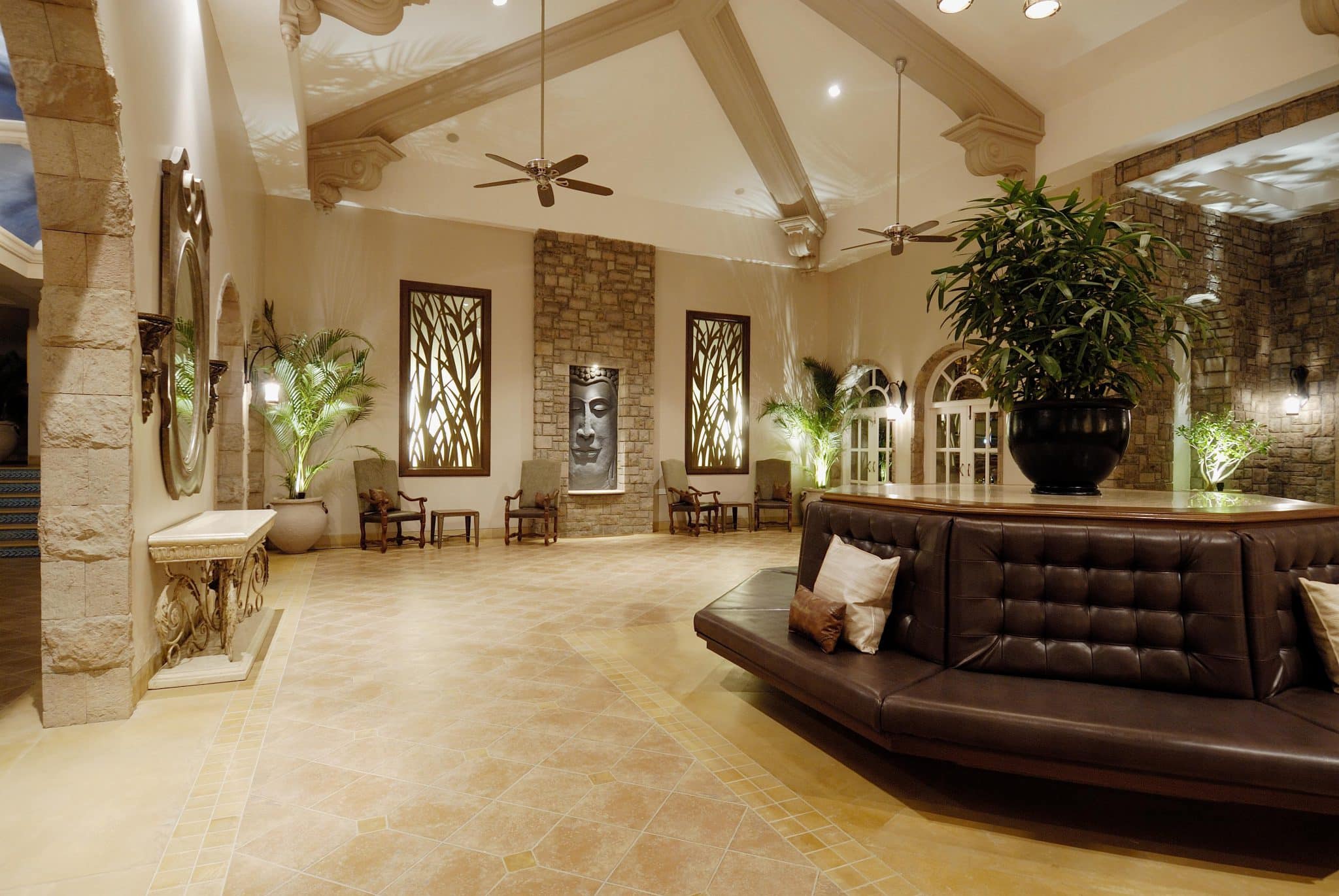
In an era where high-end design is often equated with high energy consumption, true innovation lies in creating spaces that lower their carbon footprint through smart, passive engineering. Coastal projects face a double challenge: surviving intense tropical humidity and handling heavy marine air without relying solely on massive air conditioning systems. When designing the indoor environments for Club Exotica, Bobby Mukherrji Architects demonstrated that sustainability and luxury do not have to contradict each other. By returning to traditional Mediterranean vernacular methods and choosing climate-appropriate materials, the studio created a self-cooling, low-impact interior that reduces energy dependence while setting a new standard for premium residential amenities.
The primary line of defense against tropical heat is the specific composition of the interior wall surfaces. Instead of using standard drywalls and synthetic paints that trap heat and moisture inside, the spaces utilize thick layers of hand-applied, lime-based plaster. Lime plaster is a naturally breathable, porous material that regulates indoor humidity by absorbing excess moisture from the coastal air and releasing it when temperatures drop. This thoughtful material application reflects the sustainable mindset of a top design firm, ensuring that the walls act as natural thermal buffers. This approach keeps the indoor common rooms significantly cooler than the outside air, directly lowering the overall cooling load of the building.
The indoor floor plan completely avoids deep, boxed-in layouts that create stagnant pockets of hot air. Instead, the central dining lounges, juice bars, and fitness zones open directly onto winding, shaded internal courtyards and active water features. This precise spatial arrangement utilizes the natural air pressure differences coming off the Arabian Sea, drawing fresh breezes deep into the building while pushing hot air out through high-level exhaust openings. Creating a fluid, naturally ventilated layout of this scale demands the advanced planning expertise of an international luxury design studio committed to passive energy logic. The continuous movement of air eliminates the need for closed, air-conditioned rooms in the primary social hubs.
A core principle of green design is reducing the carbon emissions associated with transporting heavy building materials over long distances. The stone walkways, structural timber screens, and built-in masonry elements throughout the clubhouse were sourced directly from regional quarries and local artisanal suppliers. This conscious sourcing strategy underscores the operational philosophy of a premier top design firm in India focused on true ecological responsibility. By prioritizing local materials, the design drastically minimized transport emissions while investing back into regional craftsmanship, creating an interior that feels deeply connected to its native landscape.
Sustained luxury is rooted in choosing materials that age gracefully over decades without requiring continuous chemical treatments or frequent replacement. The high-traffic public reception areas and lounge zones are finished with low-gloss, non-porous stones and sustainably treated local timbers that naturally resist salt-water corrosion and heavy humidity. This strict focus on long-term wear resistance highlights the execution expected from a premier Mumbai design firm. By eliminating short-lived, synthetic finishes, the interior maintains its elegant, relaxed resort identity with minimal maintenance, proving that the most sustainable spaces are the ones designed to last a lifetime.
To keep the property looking bright and welcoming without heating up the indoor spaces, the layout uses deep architectural overhangs, covered porches, and custom timber latticed screens. These interior shading panels filter harsh afternoon sunlight, casting soft decorative shadows across the rooms while keeping direct solar heat off the high-contact furniture surfaces. This careful balance between natural lighting and thermal control represents the standard achieved in an award winning design. The resulting interior rewards residents with a peaceful, self-sustaining tropical retreat that reflects the strict standards of modern luxury interior design.
 Sustainable Design
18 June 2026
Landscape design holds a strong influence in luxury hospitality. It sets the…
 Sustainable Design
14 June 2026
In the realm of high end interior designing, sustainability is often misunderstood…
 Sustainable Design
12 June 2026
Sustainability in high-density developments is often misunderstood as a secondary layer of…
 Sustainable Design
11 June 2026
In the modern urban landscape, a park must be as technically efficient…
 Sustainable Design
08 June 2026
In the context of luxury architecture, sustainability is often most effective when…