30 June 2026
The Engineering of Vertical Density and Private Luxury in Multi-Level Single-Family Homes
The architectural evolution of dense urban environments requires a sophisticated response to…

04 June 2026
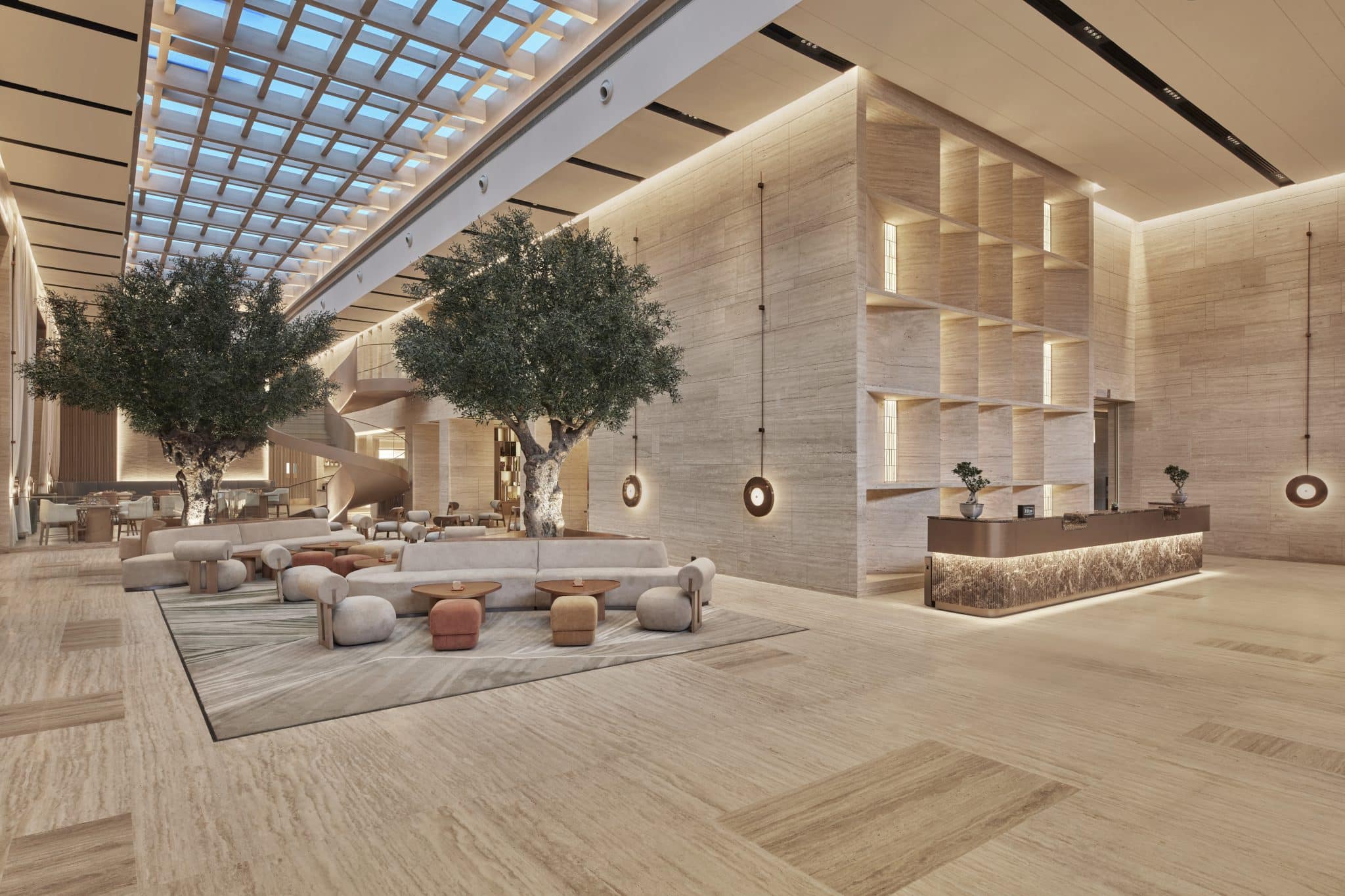
In the dense, high-velocity landscape of Gurugram’s business district, the challenge for hospitality design is to provide an escape that doesn’t feel disconnected from the city’s energy. At Hilton Gurugram Baani City Centre, the design narrative shifts away from typical corporate coldness toward a concept of an “Urban Sanctuary”. By utilizing vertical volume and natural light, Bobby Mukherrji Architects transformed a 250,000 sq. ft. plot into a setting defined by warmth, softness, and quiet transitions. This project creates a grounded atmosphere that feels personal and intuitively comfortable from the moment of arrival.
The emotional anchor of the hotel is a triple-height atrium designed specifically to house two ancient, 600-year-old olive trees. These trees were re-rooted early in the construction process, becoming the focal point of a space filled with soft natural light filtered through frosted skylights. This integration of nature into the interiors ensures that the atrium functions as a contemplative zone by day and transforms into a vibrant social setting after sunset. The play of warm uplighting against Roman travertine walls exemplifies the studio’s ability to use light and material as primary design tools.
The guest journey begins in a serene lobby where every element is balanced by a disciplined sense of proportion. A floating spiral staircase introduces a sense of gentle movement, rising at the center to connect the public levels without disrupting the overarching stillness. As a leading Mumbai design studio, the firm utilized a Roman travertine feature wall paired with backlit alabaster to create a radiant, sophisticated reception area. These material choices ensure that the transitions between high-traffic zones feel natural and effortless.
Continuing the language of soft luxury, the 223 guest rooms were conceptualized as acoustically treated retreats. Each room features a gentle palette, indirect lighting, and spa-style bathrooms to encourage deep rest and mental clarity. The minimal yet tactile furniture and strategic layouts create dedicated zones for sleep and relaxation, ensuring the private environments remain peaceful regardless of the city’s pace. Every structural edge and material transition is purposely scaled to deliver the absolute quiet and privacy expected of elite luxury interiors.
While the project draws from several international movements, including Corbusian modernism and Scandinavian warmth, its essence remains deeply rooted in regional craftsmanship. From the travertine facade to the landscaped rooftop decks, the hotel presents a balanced and culturally rooted expression of hospitality. This project solidifies the studio’s reputation as an international design studio, delivering a contemporary benchmark for hospitality in India that reflects a human-centered design ethos.
 Architecture & Interiors Portfolio
30 June 2026
The architectural evolution of dense urban environments requires a sophisticated response to…
 Architecture & Interiors Portfolio
29 June 2026
In the dense urban fabric of Mumbai, the most successful residential projects…
 Architecture & Interiors Portfolio
28 June 2026
Modern premium developments demand shared amenities that evolve alongside the daily routines…
 Architecture & Interiors Portfolio
26 June 2026
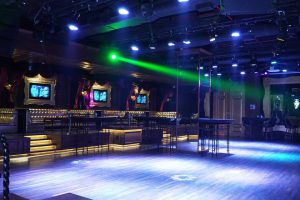
Designing premium commercial entertainment spaces requires a deep understanding of human movement…
 Architecture & Interiors Portfolio
25 June 2026
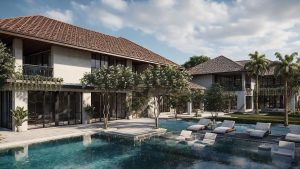
The true measure of high-end estate planning is not found in outward…
 Architecture & Interiors Portfolio
24 June 2026
In the heart of one of Delhi’s most historic and high-energy commercial…