30 June 2026
The Engineering of Vertical Density and Private Luxury in Multi-Level Single-Family Homes
The architectural evolution of dense urban environments requires a sophisticated response to…

19 June 2026
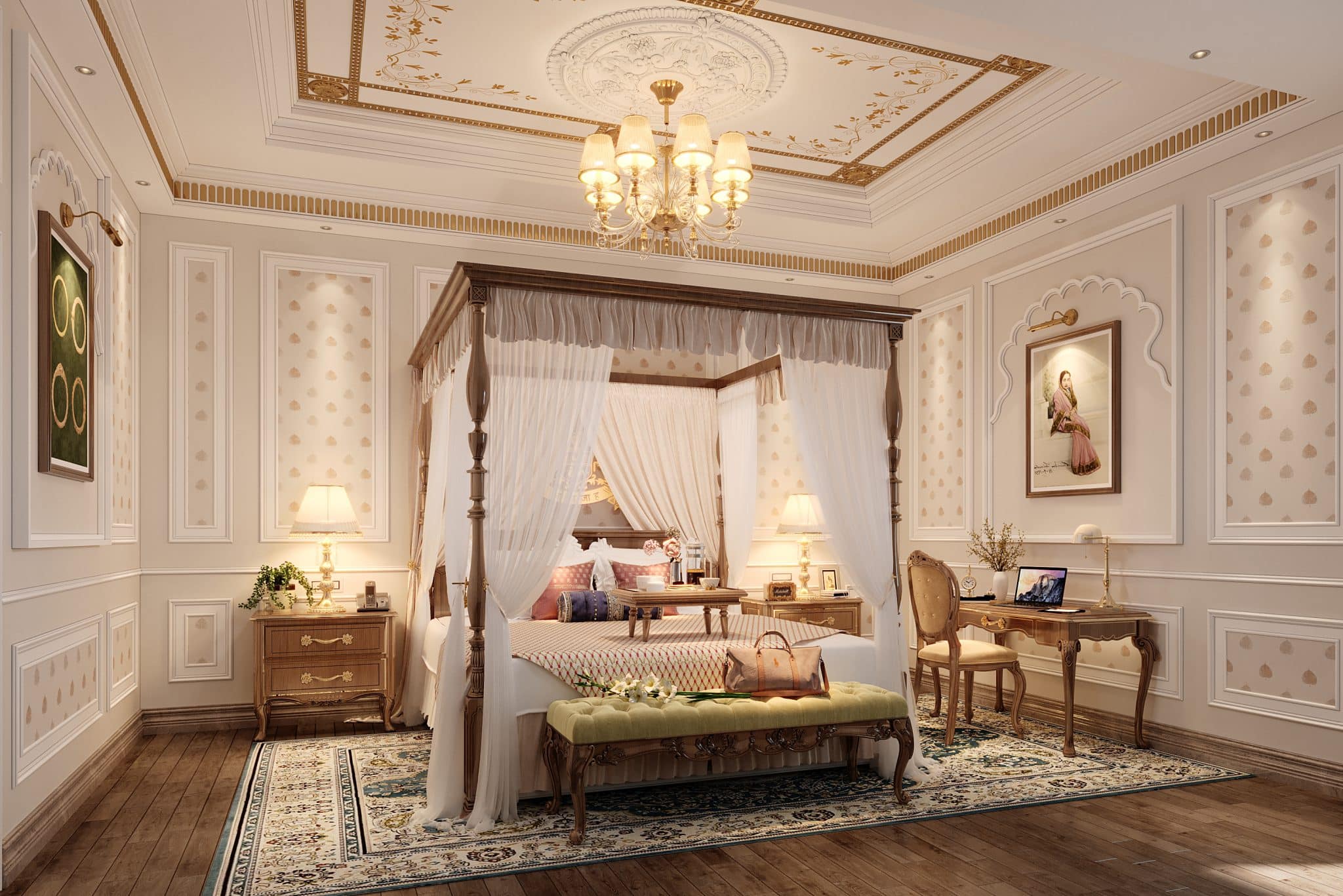
Restoring a royal estate requires a high level of sensitivity to ensure that modern comforts do not disturb the soul of the structure. At Taj Usha Kiran Palace, the transformation demanded a deep knowledge of heritage architecture to bring the building into the 21st century. By focusing on “invisible” upgrades, the design preserves the quiet dignity of the palace while offering the amenities expected by global travelers.
The most demanding task for Bobby Mukherrji Architects was integrating modern hotel systems into delicate historic walls. To maintain the historic character, air conditioning vents and plumbing lines were completely hidden within the existing architecture. HVAC channels were tucked away inside carved cornices and custom screens, ensuring that the visual language of the palace remained untouched. This demonstrates the intelligent spatial planning required for complex restoration projects.
Acoustic layers and thermal insulation were placed within decorative surfaces to improve guest comfort without altering the room’s appearance. Every technical intervention was planned with the luxury interior architecture needed to protect the building’s integrity. Even the electrical systems were updated to modern standards while remaining entirely out of sight, proving that a top design firm can deliver performance without sacrificing authenticity.
Standard modern fixtures would have looked out of place in such a regal environment, so custom lighting was designed to resemble period pieces. These fixtures perform to contemporary standards while echoing the traditional aesthetics of the Gwalior estate. This level of bespoke craftsmanship ensures that the lighting enhances the atmosphere and does not distract it from the historic beauty of the archways and tall ceilings.
The result is a seamless blend of past and present that strengthens the sustainable value of the property. By concealing the “machine” of the hotel, the firm has allowed the cultural memory of the palace to take center stage. This approach is a hallmark of a practice recognized for premium hospitality design, where the goal is to provide a world-class experience that feels as though the modern world hasn’t touched the historic soul of the space.
 Architecture & Interiors Portfolio
30 June 2026
The architectural evolution of dense urban environments requires a sophisticated response to…
 Architecture & Interiors Portfolio
29 June 2026
In the dense urban fabric of Mumbai, the most successful residential projects…
 Architecture & Interiors Portfolio
28 June 2026
Modern premium developments demand shared amenities that evolve alongside the daily routines…
 Architecture & Interiors Portfolio
26 June 2026
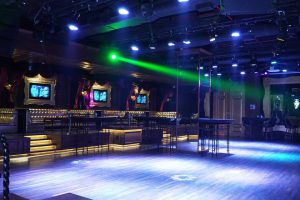
Designing premium commercial entertainment spaces requires a deep understanding of human movement…
 Architecture & Interiors Portfolio
25 June 2026
The true measure of high-end estate planning is not found in outward…
 Architecture & Interiors Portfolio
24 June 2026
In the heart of one of Delhi’s most historic and high-energy commercial…