30 June 2026
The Engineering of Vertical Density and Private Luxury in Multi-Level Single-Family Homes
The architectural evolution of dense urban environments requires a sophisticated response to…

20 June 2026
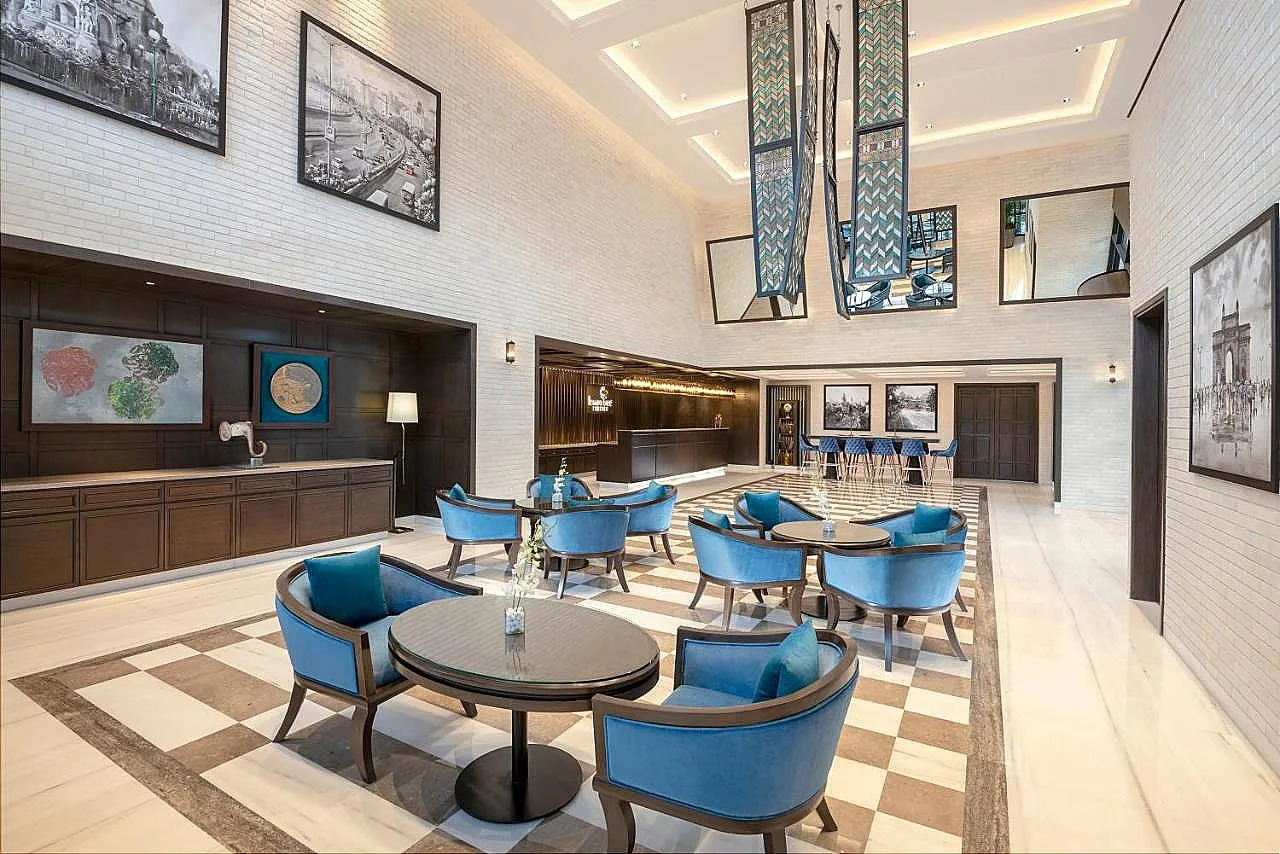
An airport hotel carries a distinct operational rhythm shaped by constant motion, demanding an infrastructure that can handle rapid transitions without compromising on aesthetic prestige. At Lemon Tree Premier Mumbai, Bobby Mukherrji Architects approached the layout with a clear focus on structural flow, moving away from the sterile, industrial feel of typical transit hubs to establish a warm, guest-first sanctuary. The project serves as a premier case study for how a leading Mumbai design studio can infuse a high-traffic environment with the serenity and composure typically reserved for secluded resorts. By prioritizing intuitive navigation and physical comfort, the spatial design eases the friction of international travel the moment a guest steps inside.
The entrance lobby acts as the critical introductory chapter, establishing a calm pace that counteracts the chaotic energy of the nearby international terminal. A spacious layout, clean geometric forms, and a muted, sophisticated color palette work together to lower the sensory volume for arriving business travelers. This strategic orchestration of space reflects the deep expertise of a best interior design studio that understands the psychology of high-stress environments. Every seating pocket is systematically spaced to offer private conversations within a grand public envelope, ensuring the registration process feels organized, efficient, and thoroughly premium.
Rather than treating culinary and leisure zones as isolated spaces, the interior layout integrates them into a continuous social ecosystem that caters to shifting guest moods. The property transitions seamlessly from bright, open daytime dining setups with transparent open kitchens to deeply textured, moody evening spaces wrapped in rich plaster and warm lighting. By utilizing flexible timber partitions and custom acoustic screening instead of rigid walls, the design creates private dining pockets without breaking the overall spatial harmony. This fluid transition between energetic breakfast lounges and intimate evening retreats showcases the versatile thinking of a top design firm in the commercial sector.
The success of this comprehensive interior layout relies heavily on a highly disciplined selection of surfaces that balance luxury with immense durability. High-traffic thoroughfares are grounded by premium, monolithic flooring, while the walls feature soft, tactile finishes that absorb ambient noise and diffuse direct light. Throughout the dining and lounge zones, rich wood grains and brushed metallic accents provide a layered, sensory richness that feels premium to the touch. This dedication to authentic material integrity ensures that the hotel maintains its pristine, high-end appearance despite constant guest turnover, reflecting the hallmark of a premier interior design studio.
The perimeter of the social layout incorporates expressive, youthful lounges featuring casual seating arrangements that allow guests to mingle or work at their own pace. This social energy is carefully balanced by the adjacent wellness and fitness suites, which utilize minimalist lines, open floor plans, and generous spacing to offer a quiet counterweight to the hotel’s busier hubs. By weaving together zones of high activity and absolute quiet under a cohesive aesthetic banner, we have delivered a balanced interior masterclass, strengthening the studio’s reputation for creating award winning design concepts that truly elevate the modern transit lifestyle.
 Architecture & Interiors Portfolio
30 June 2026
The architectural evolution of dense urban environments requires a sophisticated response to…
 Architecture & Interiors Portfolio
29 June 2026
In the dense urban fabric of Mumbai, the most successful residential projects…
 Architecture & Interiors Portfolio
28 June 2026
Modern premium developments demand shared amenities that evolve alongside the daily routines…
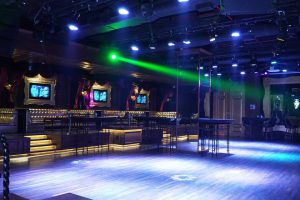 Architecture & Interiors Portfolio
26 June 2026
Designing premium commercial entertainment spaces requires a deep understanding of human movement…
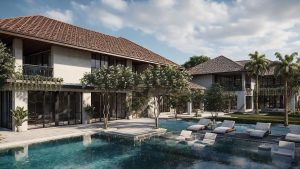 Architecture & Interiors Portfolio
25 June 2026
The true measure of high-end estate planning is not found in outward…
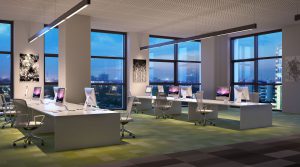 Architecture & Interiors Portfolio
24 June 2026
In the heart of one of Delhi’s most historic and high-energy commercial…