30 June 2026
The Engineering of Vertical Density and Private Luxury in Multi-Level Single-Family Homes
The architectural evolution of dense urban environments requires a sophisticated response to…

22 June 2026
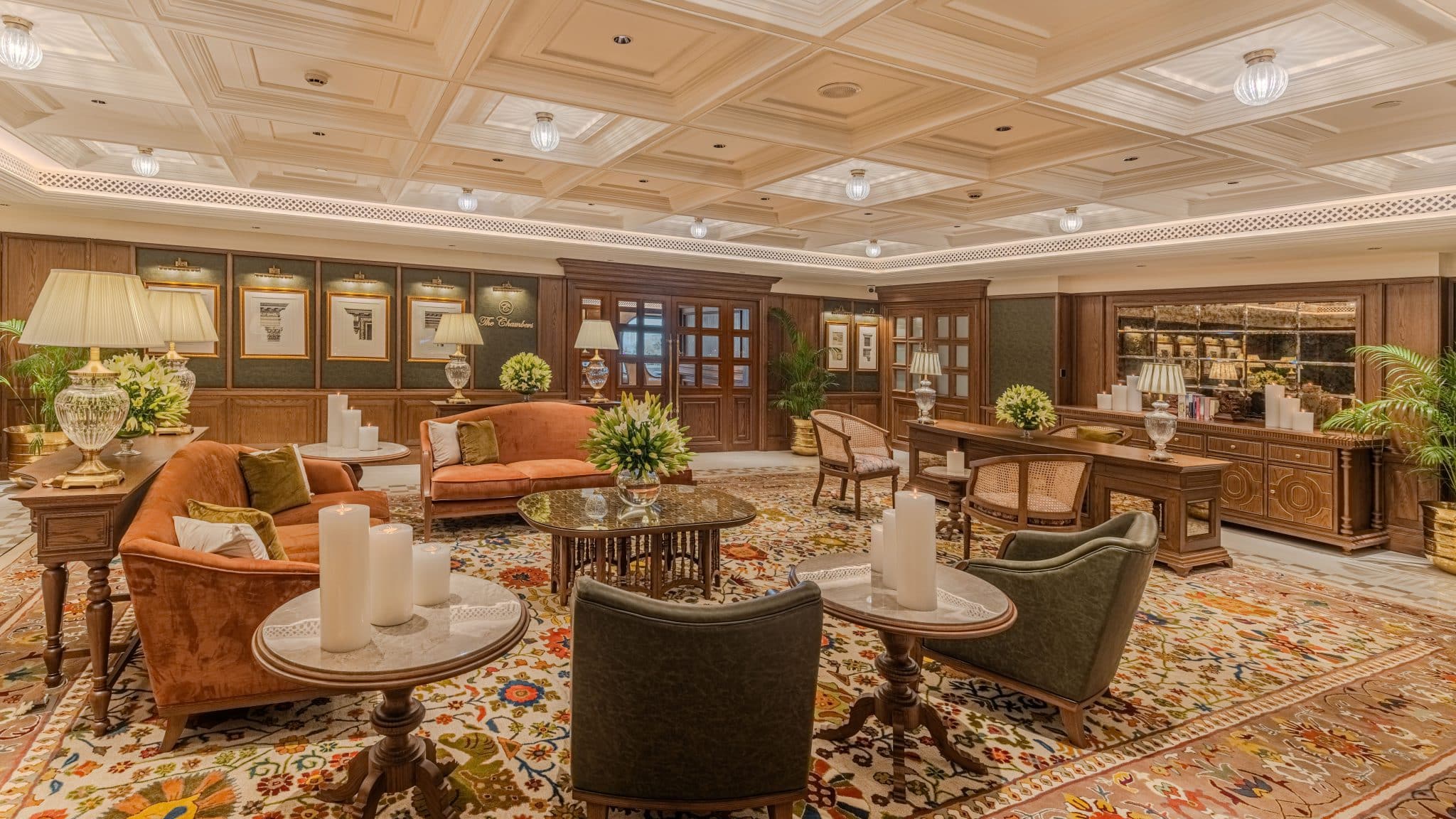
In premium hospitality developments, true architectural luxury is determined by how effortlessly a floor plan breathes. When managing a footprint meant for high-profile relaxation and absolute privacy, the layout must do more than allocate square footage, it must choreograph an intuitive, leisurely journey. For the major expansion of The Chambers at Taj Bengal, the structural challenge was to open up the environment without exposing its exclusive zones. Bobby Mukherrji Architects approached this complex master plan with a focus on fluid spatial harmony, establishing a textbook study in modern, guest-centric interior design.
Sprawling across a generous eight thousand square feet, the new layout allows the club to shed the closed, heavy compartmentalization of traditional hospitality lounges. Instead of building aggressive barrier walls that disrupt the eye, the design introduces a series of soft, architectural boundaries. Circulation paths flow with natural ease, allowing members to navigate the property at their own pace without feeling exposed to the main social areas. This intelligent control of volume and movement reflects the deep planning expertise of a premier best hospitality design studio, where structural geometry directly serves guest psychology.
The core achievement of the redesign lies in how distinct hospitality spaces fall into absolute alignment. Private dining suites are systematically tucked into the quietest, outermost zones of the floor plan, while open conversation lounges and the bar occupy the central spine. To anchor these areas without creating visual friction, seating clusters were custom-zoned using varied material thresholds underfoot rather than solid partitions. This subtle transition from high-energy gathering spaces to silent, reflective sanctuaries is a hallmark of the best hospitality design, keeping the retreat fluid yet purposeful.
Maintaining an atmosphere of understated elegance across an expanded layout requires high-level engineering foresight. To ensure that the soaring ceilings and intimate corners remain completely uncluttered, all essential operational infrastructure, including advanced acoustic dampening, specialized climate controls, and ambient illumination coves, was seamlessly integrated into the architectural panels. This absolute lack of visual interference lets the bespoke craftsmanship and rich timber accents command the narrative, achieving the meticulous balance expected of an award winning design.
The completed structural overhaul at The Chambers at Taj Bengal demonstrates how strategic zoning can elevate a legacy hospitality property into a contemporary masterpiece. By pairing a generous, breathable footprint with a highly disciplined spatial flow, the studio created a sanctuary that feels both grand and intensely personal. The project stands as a definitive benchmark for luxury interiors, proving why the practice remains the best interior designer studio in India for landmarks that require steady architectural logic and timeless clarity.
 Architecture & Interiors Portfolio
30 June 2026
The architectural evolution of dense urban environments requires a sophisticated response to…
 Architecture & Interiors Portfolio
29 June 2026
In the dense urban fabric of Mumbai, the most successful residential projects…
 Architecture & Interiors Portfolio
28 June 2026
Modern premium developments demand shared amenities that evolve alongside the daily routines…
 Architecture & Interiors Portfolio
26 June 2026
Designing premium commercial entertainment spaces requires a deep understanding of human movement…
 Architecture & Interiors Portfolio
25 June 2026
The true measure of high-end estate planning is not found in outward…
 Architecture & Interiors Portfolio
24 June 2026
In the heart of one of Delhi’s most historic and high-energy commercial…