30 June 2026
The Engineering of Vertical Density and Private Luxury in Multi-Level Single-Family Homes
The architectural evolution of dense urban environments requires a sophisticated response to…

21 June 2026
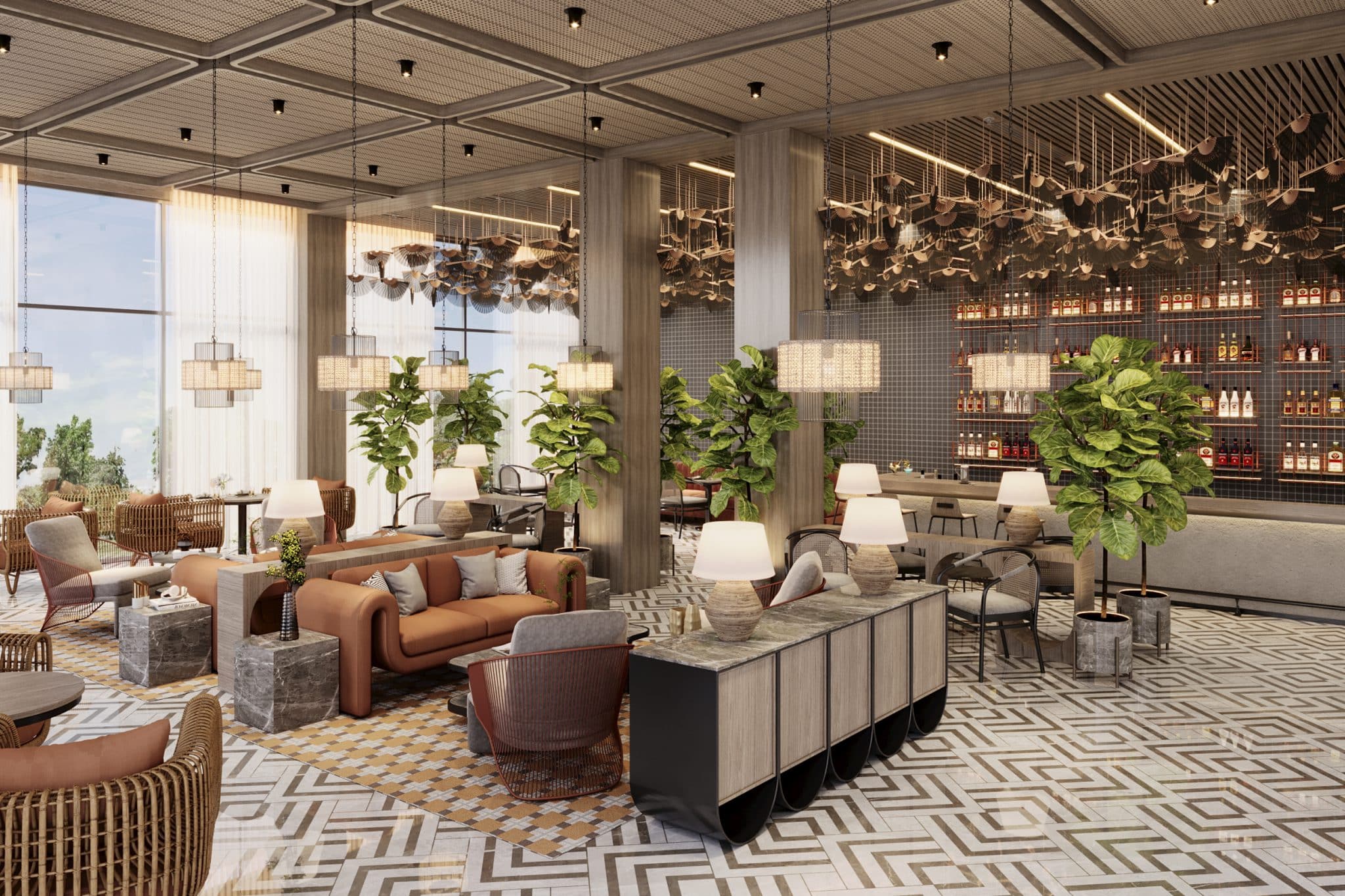
The operational durability of a high-end destination hotel depends entirely on the invisible mathematics of its interior space-plan. When a luxury property is positioned next to a major international monument, the interior layout must perform a difficult double duty: it must comfortably manage large crowds of arriving tourists during peak hours while preserving a quiet, relaxed atmosphere for overnight guests. At Vivanta Ekta Nagar, Bobby Mukherrji Architects solved this spatial puzzle by creating a highly efficient layout based on open sightlines and smart zoning. By using wide pathways, clear visual landmarks, and clever transitions, the firm designed an open-plan ground floor that keeps people moving smoothly without ever compromising the calm, premium hotel experience.
The entrance sequence is the first defense against spatial clutter. Upon arriving, guests are welcomed into a bright, open reception area that offers instant visual orientation. From this central point, visitors can naturally spot the way to the tea room, the grand banquet spaces, or the main restaurant without the need for intrusive, industrial signage. Crafting a spacious entry that handles crowds while maintaining a serene mood requires the deep planning skill of a leading design studio in Mumbai. The wide walkways and open layout ensure that arriving tour groups, busy business travelers, and hotel staff move around comfortably without creating bottlenecks.
The circulation is further enhanced through the strategic placement of secondary hubs such as the tea room and the juice bar. These areas are designed as acoustic buffers, they provide high-energy social nodes that absorb the foot traffic of visitors returning from the nearby monument, effectively shielding the more intimate lounges from the rush of the outside world. This intelligent zoning demonstrates the technical expertise of a leading Mumbai design studio, ensuring that the different “speeds” of guest movement never collide.
Connecting the indoor spaces to the park landscape is a defining element of the layout’s success. The main restaurant features expansive, floor-to-ceiling glass walls that look directly out onto the green surroundings, filling the indoor dining room with natural light and a sense of endless space. Connecting indoor rooms with the outdoors like this highlights the creative talent of a top design firm in India. By aligning the interior dining tables with the outdoor views, the layout gives diners a beautiful sense of place, proving that smart space-planning is the secret to a successful premium hospitality experience.
The fluid interior layout also extends beautifully to the outdoor common spaces, where a shaded pool deck acts as a natural escape from the afternoon sun. Framed by warm sandstone columns and modern pergolas, the pool deck layout blends social seating areas with quiet, private corners. Creating an outdoor lounge that feels both connected to the main hotel and privately secluded reflects the high-level execution of a celebrity design studio in India. The final furniture layout guides guests naturally toward the water, creating a welcoming, low-stress environment that underscores the practice’s reputation as a top-tier Mumbai’s award winning design firm.
 Architecture & Interiors Portfolio
30 June 2026
The architectural evolution of dense urban environments requires a sophisticated response to…
 Architecture & Interiors Portfolio
29 June 2026
In the dense urban fabric of Mumbai, the most successful residential projects…
 Architecture & Interiors Portfolio
28 June 2026
Modern premium developments demand shared amenities that evolve alongside the daily routines…
 Architecture & Interiors Portfolio
26 June 2026
Designing premium commercial entertainment spaces requires a deep understanding of human movement…
 Architecture & Interiors Portfolio
25 June 2026
The true measure of high-end estate planning is not found in outward…
 Architecture & Interiors Portfolio
24 June 2026
In the heart of one of Delhi’s most historic and high-energy commercial…