30 June 2026
The Engineering of Vertical Density and Private Luxury in Multi-Level Single-Family Homes
The architectural evolution of dense urban environments requires a sophisticated response to…

14 June 2026
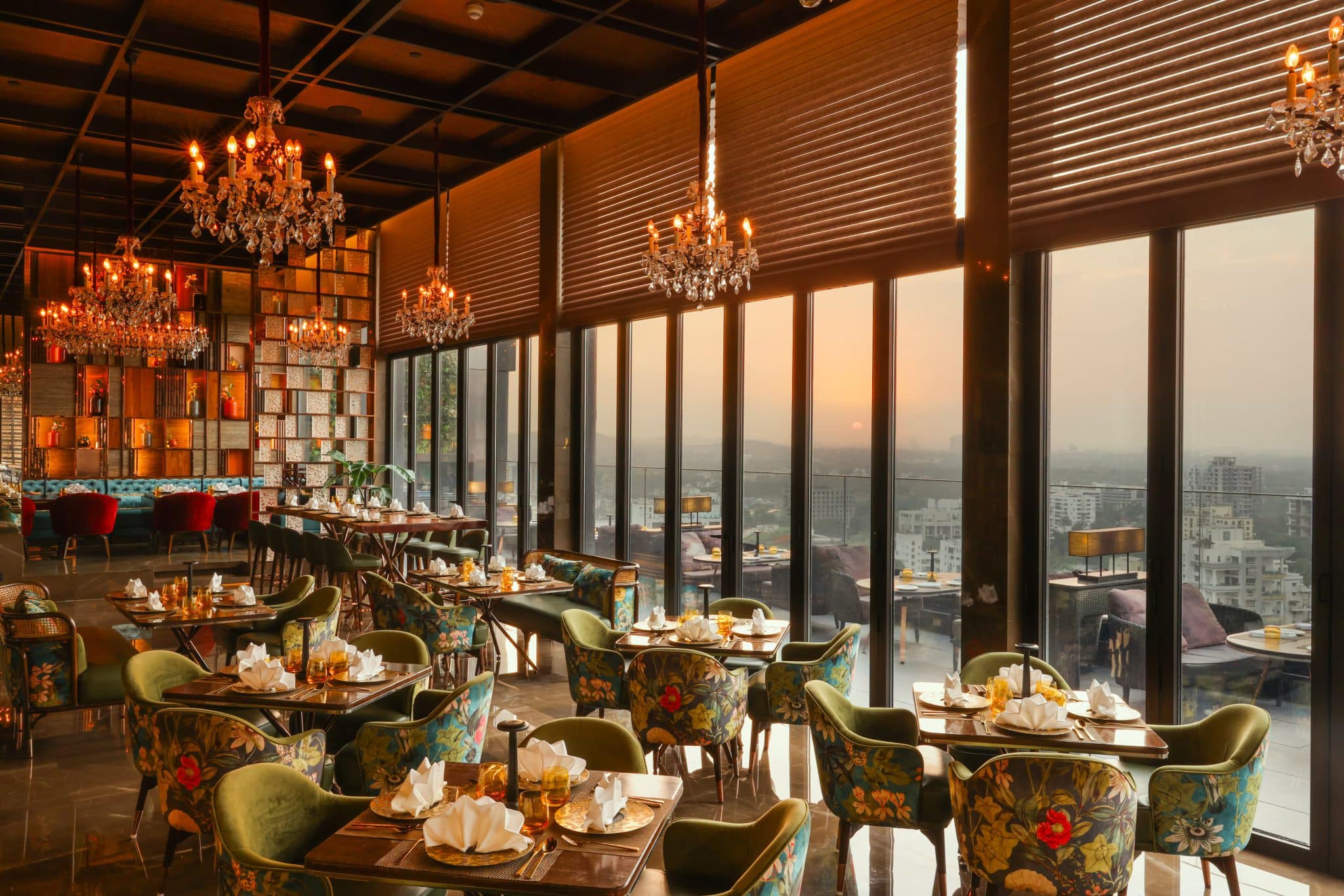
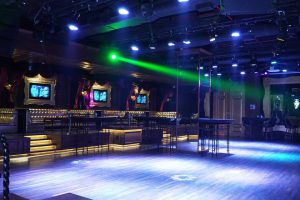
The success of a high-traffic hospitality venue depends heavily on a floor plan that manages movement without sacrificing the guest’s sense of ease. When Bobby Mukherrji Architects took on the Al Di La project, the primary objective was to create a layout that could handle significant footfall while maintaining a premium social atmosphere. The planning process started with the physical structure of the building itself, identifying how to best utilize the rooftop’s footprint to offer both energy and intimacy. As a leading Mumbai design studio, our approach focused on the logic of the guest journey, ensuring that the transition from the hotel elevators to the bar felt like entering a distinct world.
A major component of the project involved a bold structural modification to the existing terrace. We removed a portion of the covered roof to create an expansive open-air zone, catering to the demand for alfresco dining in Pune’s temperate climate. To keep the indoor bar and the terrace connected, we implemented a system of operable glass panels. This allows the lounge to adapt to the time of day and the weather, creating a breathable environment that reflects the standards of high end interior designing. By removing these physical barriers, the studio ensured that the social energy of the indoor bar spills naturally onto the terrace.
Managing a large crowd requires a deep understanding of circulation and pressure points. The layout at Al Di La guides guests through a curated mix of sofa clusters, armchairs, and custom tables, all shaped to encourage relaxed interaction without causing congestion. Our team paid particular attention to how different groups utilize the space, ensuring that the movement of staff and guests never interrupts the visual continuity of the lounge. Small, secluded nooks offer privacy for quiet conversations, while the central bar areas remain open and high-energy. This strategic distribution of seating ensures that the venue feels full and vibrant without ever feeling overcrowded, maintaining the high standards expected from a top interior design studio in India.
For high-profile guests who require a degree of separation, we designed a VIP deck that sits slightly above the main floor level. Instead of using solid walls that would block the view or the breeze, we screened this area with softly lit, custom-blown glass blocks. This elevation provides a psychological boundary, giving those on the deck a clear view of the lounge and the city skyline while keeping them tucked away from the main flow of traffic. This level of detail is a core focus for a best design studio, where the goal is to provide exclusivity while keeping the guest tethered to the overall ambiance of the rooftop.
The spatial planning for Al Di La was driven by the need for long-term commercial viability. Every square foot was evaluated for its contribution to the guest experience and the hotel’s operational efficiency. By choosing durable hard finishes like Armani marble and Italian stone, and pairing them with a flexible layout, we ensured the space remains visually strong through constant use. The priority was to deliver a venue that helps the Conrad brand maintain its position as a trusted social destination. The final outcome is a testament to how technical precision can be blended with the demands of luxury interior design and hospitality.
 Architecture & Interiors Portfolio
30 June 2026
The architectural evolution of dense urban environments requires a sophisticated response to…
 Architecture & Interiors Portfolio
29 June 2026
In the dense urban fabric of Mumbai, the most successful residential projects…
 Architecture & Interiors Portfolio
28 June 2026
Modern premium developments demand shared amenities that evolve alongside the daily routines…
 Architecture & Interiors Portfolio
26 June 2026
Designing premium commercial entertainment spaces requires a deep understanding of human movement…
 Architecture & Interiors Portfolio
25 June 2026
The true measure of high-end estate planning is not found in outward…
 Architecture & Interiors Portfolio
24 June 2026
In the heart of one of Delhi’s most historic and high-energy commercial…