30 June 2026
Adaptive Workspaces: Balancing High-Performance Utility with Executive Comfort
The interior strategy for Parsvnath 27 moves away from the typical noise…

25 June 2026
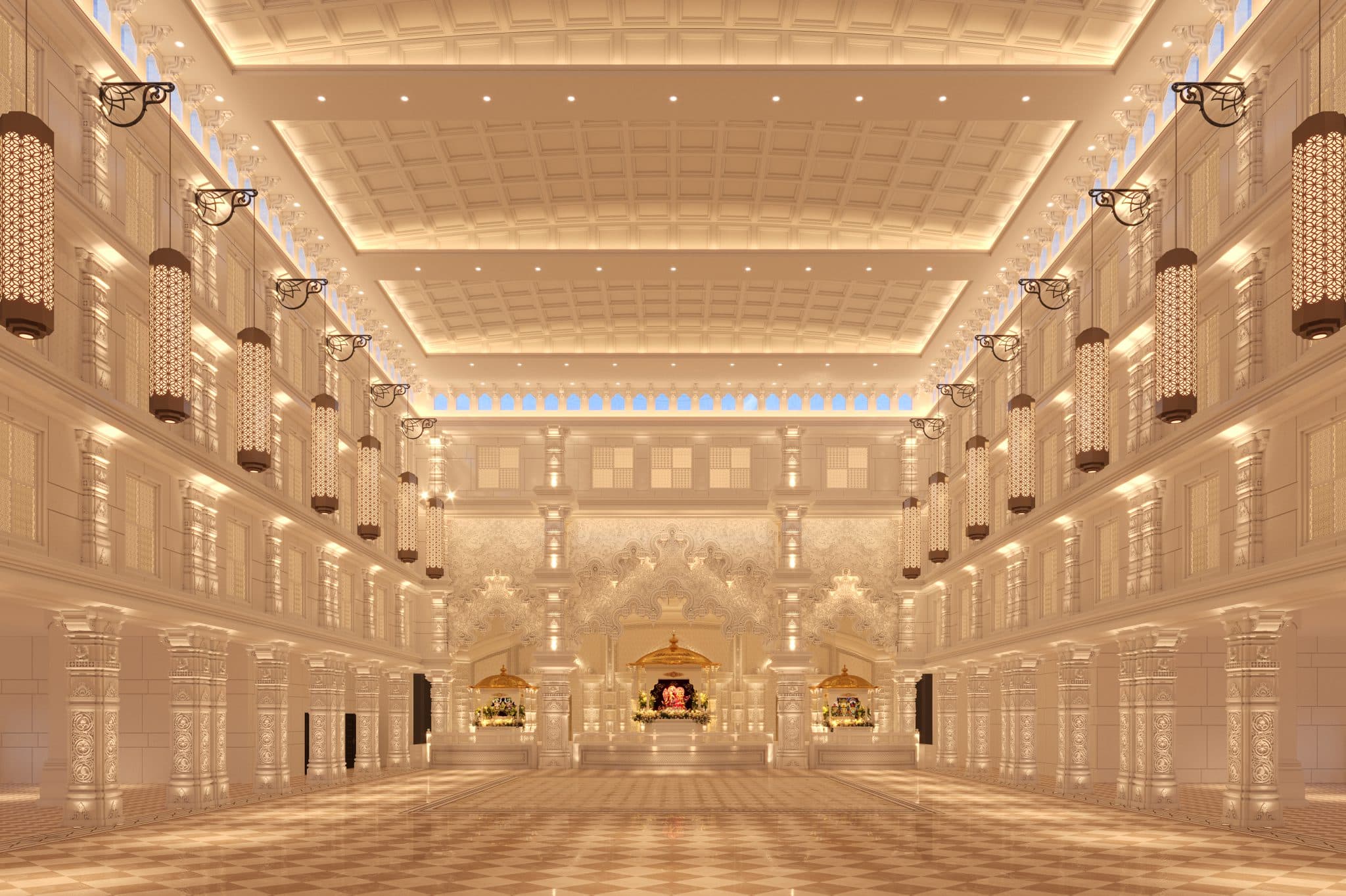
The core objective of exceptional public interior planning is to shape an emotional experience through the delicate manipulation of light, volume, and material texture. When handling a major civic spiritual space spanning over two lakh square feet, the indoor layout must navigate a complex functional balance. The interior spaces need to accommodate dense visitor traffic during major celebrations while remaining deeply intimate and peaceful for individual contemplation. For the inner sanctum and communal areas of the ISKCON Temple in Dwarka, Bobby Mukherrji Architects designed an environment where custom lighting layouts and classical decorative mediums work together to evoke an immediate sense of reverence.
Illumination plays a vital role in setting the emotional tone across the main prayer halls. Rather than relying on uniform, clinical fixtures, the lighting plan uses a highly detailed arrangement of concealed LED coves, specialized stage lighting, and custom accent fixtures. This strategic integration allows the main dome and surrounding galleries to transition smoothly from bright daytime clarity to a soft, ethereal evening glow. Crafting an indoor lighting environment that handles human emotion so precisely represents the level of sensory planning expected from an award winning design firm. The light reflects softly off the polished surfaces, highlighting the rich patterns of the ceiling without creating distracting glare or shadows.
Beyond the open gathering zones, the walls and ceilings tell a stories through meticulous artisanal details. The deity sanctum features hand-carved panels, intricate semi-precious stone inlays, and delicate gold-leaf borders that draw the eye toward the central altar. Overhead, a massive crystal chandelier hangs from the center of a patterned dome, acting as a brilliant design anchor for the space. Coordinating these heavy decorative elements with clean interior architecture reflects the skill of a premier luxury interior design practice. Every surface is designed to feel soft and welcoming up close, proving that grand public spaces are most effective when balanced with detailed touchpoints.
The spiritual complex expands into a comprehensive cultural destination, complete with a large auditorium, banquet halls, and a premium hospitality wing built to five-star standards to ensure comfort for visiting devotees. A key highlight of this guest area is the Govinda restaurant, where hand-painted ceiling frescoes and custom furniture create a peaceful dining environment. Executing public and dining interiors to this elite standard showcases the versatile talent of a premier best interior design studio. By applying the same high standard of finishes to the dining rooms and guest areas as the main temple, the design ensures a continuous luxury experience across the property, matching the quality of premium hospitality interiors.
The final layout of the interior walkways ensures that visitor movement feels natural, respectful, and completely unhurried. The grand entrance foyer acts as a beautiful ceremonial path, using custom archways, detailed stone floor borders, and warm coffered ceilings to slow the pace of arriving guests before they enter the sacred core. Organizing high-volume foot traffic through a series of elegant, welcoming rooms represents the standard of work delivered by a leading Mumbai design studio. By keeping the internal pathways open and beautifully lit, the property stands as a magnificent example of modern luxury hospitality design, proving that a premier interior design studio can successfully design public environments that feel both monumental and personally comforting.
 Design Narrative & Aesthetics
30 June 2026
The interior strategy for Parsvnath 27 moves away from the typical noise…
 Design Narrative & Aesthetics
30 June 2026
The modern penthouse represents the pinnacle of residential design, where boundaries between…
 Design Narrative & Aesthetics
29 June 2026
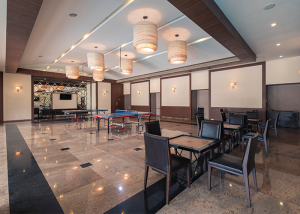
Designing the interior architecture for a property with India’s largest hotel inventory…
 Design Narrative & Aesthetics
29 June 2026
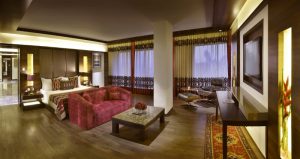
The early blueprint for modern integrated communities in the Mumbai metropolitan region…
 Design Narrative & Aesthetics
28 June 2026
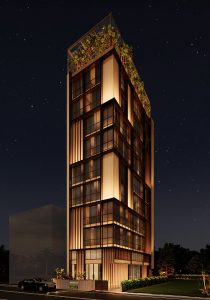
When designing within an urban ecosystem known worldwide for rigid rationalist grids…
 Design Narrative & Aesthetics
28 June 2026
Contemporary luxury is increasingly defined by spatial autonomy—the luxury of space, privacy,…